
COVID pushed dealership profits far outside their usual range. Now the math is settling down.
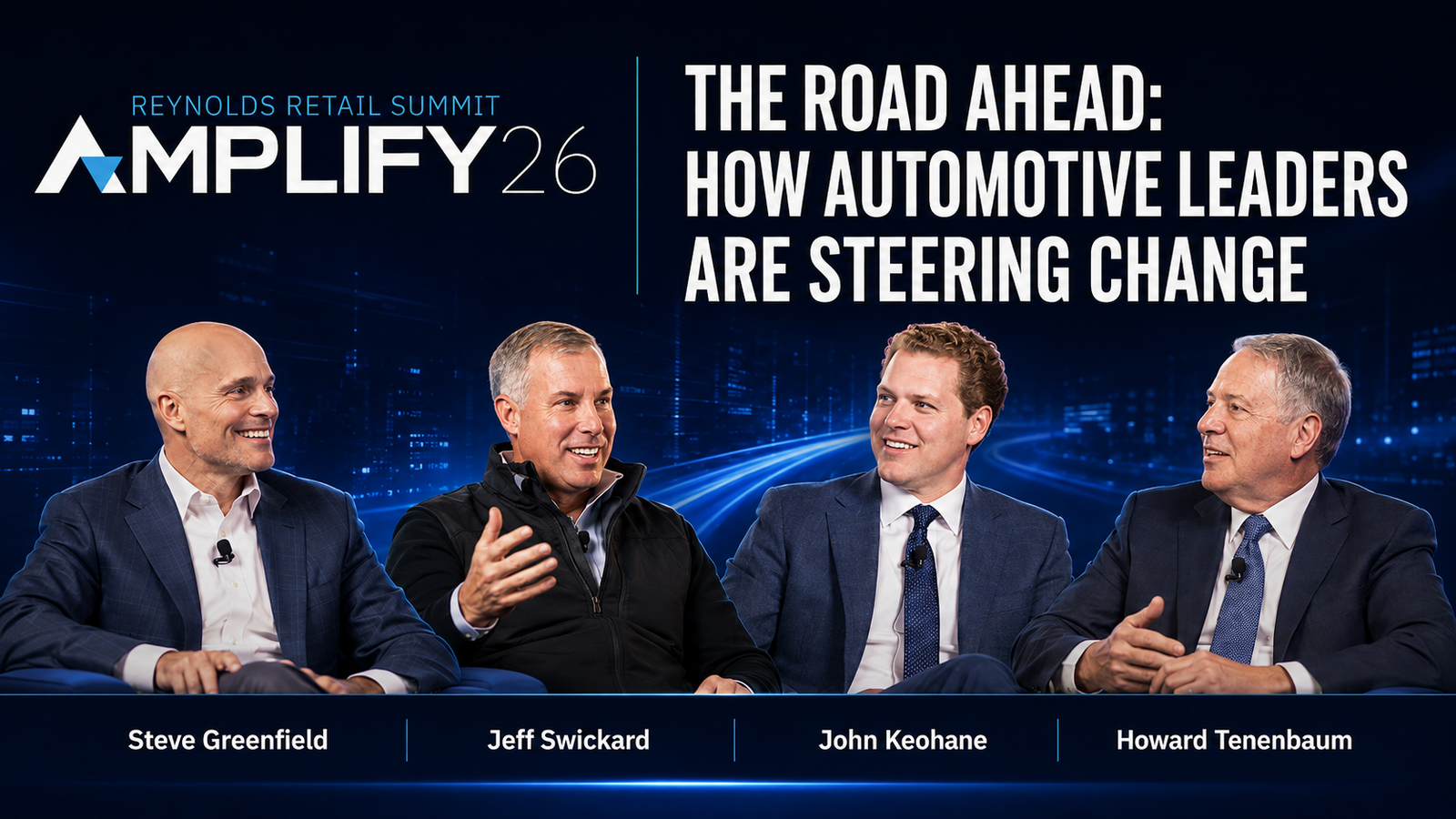
At Reynolds Retail Summit: Amplify, Steve Greenfield, General Partner with Automotive Ventures, showed that franchise dealers historically operated around 1.5% to 2.5% net profit before tax. In 2025, the average dealer still landed around 3.3%.
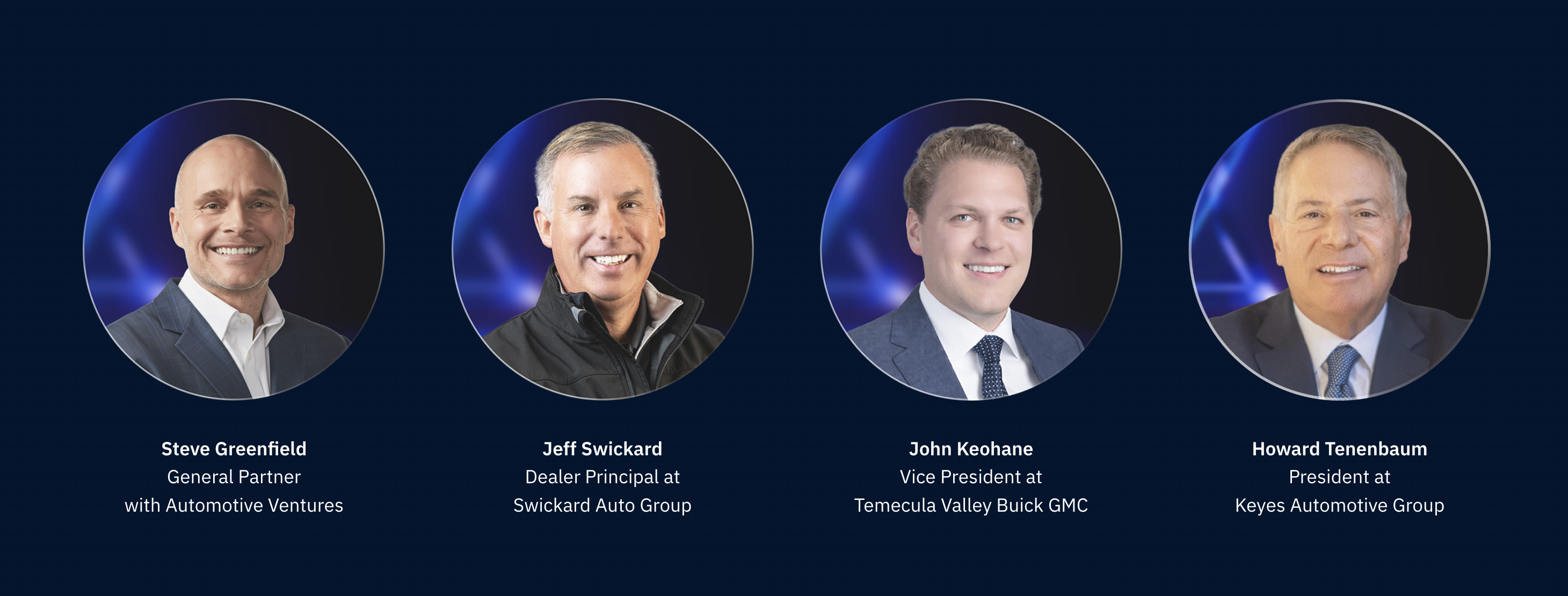
That framed the discussion with Jeff Swickard, Dealer Principal at Swickard Auto Group, John Keohane, Vice President at Temecula Valley Buick GMC, and Howard Tenenbaum, President at Keyes Automotive Group.
The question underneath the panel was simple: where can dealers find the next margin?
1. Small Gains Carry a Big Multiplier
The average dealership generated about $76.6M in revenue in 2025 and roughly $2.5M in net profit before tax. Greenfield also placed current Blue Sky values around five times pretax profit.
Under that math, another $100K in sustainable pretax profit can translate to roughly $500K in dealership value.
Personnel expense makes the productivity conversation even more important. Greenfield cited NADA data showing people account for about 47% of dealership costs.
That puts repetitive work under the microscope. Every report rebuilt by hand, call transferred twice, or approval waiting in an inbox consumes payroll that could be aimed somewhere more productive.
A few hours saved each week can look small on a calendar and much larger on a financial statement.
2. The Shop Is Sitting on the Money
Greenfield summed up the department math in six words:
“Not all revenue should be treated equally.”
New vehicles generated about 55% of average dealership revenue in his data, while parts and service produced much more gross profit for each revenue dollar.
Keohane sees roughly 65 to 70 service opportunities a day at his store and wants more of the technology attention dealers already give sales pointed toward the shop.
Tenenbaum offered a simple example: service video. His group is pushing utilization toward 70%, 80%, and 90% because higher use can move dollars per repair order.
The service drive already has the customer and the vehicle history. Better execution decides how much of that opportunity makes it onto the RO.
3. Kill the Clerical Work
Swickard’s group has been stripping repetitive work out of dealership operations, especially around customer calls and paperwork.
Its centralized contact center handles about 6,000 calls per day. Swickard said fully automated call handling, including online scheduling, moved from roughly 40% on its best days to 92% today. The system also measures customer sentiment so the team can see which interactions deserve follow-up from a person.
His group has also pushed paper out of service and automated parts of deal posting.
The pattern is straightforward: software handles the repeatable step, and employees spend more time on the work that calls for judgment, conversation, or hospitality.
Tenenbaum captured that pairing well:
“The best person in the job with the tools creates magic.”
4. Used Cars Are Turning Into a Control Tower
Used-car operations showed how far that model can go.
Swickard described a system that prices most used inventory, decides when vehicles should move between stores or head to wholesale, and watches day supply across the group.
When a store needs inventory, the system can build a shopping list, review auction supply, check vehicle history, place proxy bids, arrange transportation, and price the vehicle after arrival.
Swickard said the system helped increase used-car volume by about 20%.
Keohane is applying similar thinking to customer outreach. His store moved from broad messaging toward daily batches of roughly 350 to 400 customers, with offers tied more closely to vehicle interest and dealership history. He reported email open rates moving from about 2.5% to 4.5%.
Pricing, acquisition, demand, and customer history start working from the same set of signals. That gives managers fewer tabs to reconcile and more time to manage the business.
5. The Tool Has to Reach the Work
Keohane gave the cleanest description of the gap many stores still face:
“I find myself spending way too much time using one robot to talk to another robot, but then I am still doing the task.”
Plenty of dealerships already own enough software. The harder job is getting those systems connected to a process that changes an outcome.
That matters even more for smaller operators. Keohane described watching larger groups build infrastructure he cannot match head-for-head, then looking to technology to close part of that gap.
Tenenbaum added another useful warning about chasing every new vendor:
“They all burn brightly for ninety days, then they disappoint you.”
The better test is utilization.
Pick one metric that matters. Find the repetitive step slowing it down. Give the tool a narrow job and measure what changes over the next 90 days.